
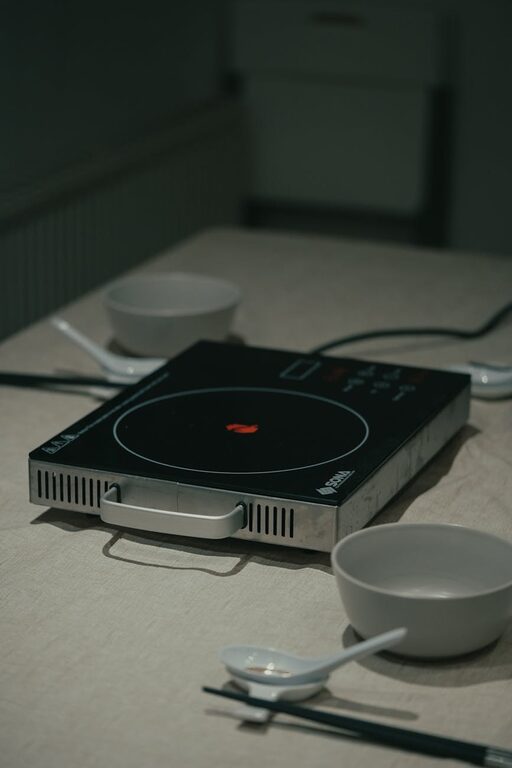
If you’re new to slow cooking, this guide is here to help you get started with confidence. Slow cookers are fantastic kitchen appliances that let you prepare delicious, home-cooked meals with minimal effort. Whether you’re juggling a busy schedule or simply want easy meal prep options, a slow cooker can be a game-changer. In this post, we’ll cover the basics of slow cooking, share useful tips, and suggest some simple recipe ideas to get you going.
What Is a Slow Cooker?
A slow cooker, sometimes called a crockpot, is an electric appliance designed to cook food at low temperatures over a long period. The lid traps heat and moisture, creating a perfect environment for tenderizing meats, softening vegetables, and blending flavors. Unlike traditional cooking on the stove or oven, slow cookers require little attention once the ingredients are inside.
Benefits of Using a Slow Cooker
– Convenience: Simply add ingredients, set the timer, and let it cook.
– Energy Efficient: Uses less electricity than an oven.
– Flavorful Meals: Slow cooking allows flavors to develop deeply.
– Great for Busy Schedules: Prepare meals in the morning and have dinner ready when you return home.
– Minimal Cleanup: Often, you only need to wash the removable insert and lid.
Choosing a Slow Cooker
If you don’t own one yet, consider the following when buying:
– Size: Slow cookers come in various sizes, commonly from 3 to 7 quarts. A 4-6 quart size suits most families.
– Shape: Oval models are more versatile for cooking larger cuts of meat, while round pots are simpler and often cheaper.
– Features: Look for programmable timers, warm settings, or removable inserts that are dishwasher safe.
Slow Cooker Basics: How to Use One
Step 1: Prepare Your Ingredients
Chop vegetables evenly to ensure they cook at the same rate. Browning meats in a pan before adding them to the slow cooker can improve flavor, but this step is optional.
Step 2: Layering
Place firmer vegetables like carrots and potatoes on the bottom where heat is strongest. Meat usually goes on top.
Step 3: Add Liquid
Most slow cooker recipes require some liquid like broth, water, or sauce to prevent drying out. Since slow cookers trap moisture, you generally need less liquid than stovetop cooking.
Step 4: Set the Time and Temperature
Most slow cookers have at least two heat settings: low and high. As a rule of thumb:
– Low setting = 6-8 hours
– High setting = 3-4 hours
Avoid lifting the lid during cooking, as it lets heat escape and increases the cooking time.
Step 5: Finish and Serve
Once the cooking time is up, test that meats and vegetables are tender and cooked through. Some recipes recommend finishing touches like adding fresh herbs, cream, or thickening sauces on the stovetop after slow cooking.
Slow Cooker Safety Tips
– Don’t overfill the slow cooker; fill between half and two-thirds full for best results.
– Thaw frozen meats before adding to ensure even cooking.
– Use a food thermometer to check that meat reaches safe internal temperatures.
– Clean the insert and lid thoroughly after use to prevent bacteria.
Beginner-Friendly Slow Cooker Recipes
Simple Beef Stew
Ingredients:
– 1 lb beef stew meat
– 3 carrots, sliced
– 3 potatoes, chopped
– 1 onion, diced
– 2 cups beef broth
– 1 tsp salt
– 1 tsp pepper
Instructions:
Add all ingredients to the slow cooker. Cook on low for 7-8 hours or on high for 4 hours. Stir before serving.
Chicken and Rice
Ingredients:
– 2 chicken breasts
– 1 cup rice (uncooked)
– 2 cups chicken broth
– 1 cup frozen peas and carrots
– 1 tsp garlic powder
– Salt and pepper to taste
Instructions:
Place chicken in the slow cooker. Add rice, broth, and seasonings. Cook on low for 6 hours. Stir in peas and carrots in the last 30 minutes.
Vegetarian Chili
Ingredients:
– 2 cans kidney beans, drained
– 1 can diced tomatoes
– 1 bell pepper, chopped
– 1 onion, chopped
– 1 tbsp chili powder
– 1 tsp cumin
– Salt to taste
Instructions:
Combine all ingredients in the slow cooker. Cook on low for 6-7 hours or on high for 3 hours. Stir well before serving.
Tips to Get the Most From Your Slow Cooker
– Cut ingredients into uniform sizes to ensure even cooking.
– Avoid adding dairy at the beginning; instead, add it during the last 30 minutes.
– Use the “warm” setting if your meal is done early.
– Experiment with different herbs and spices to customize flavors.
– Double recipes and freeze leftovers in portions for quick meals.
—
Slow cookers are perfect tools to simplify your cooking routine while delivering satisfying and nutritious meals. Once you get comfortable with the basics, you can explore many recipes and techniques tailored to your taste. Happy slow cooking!