
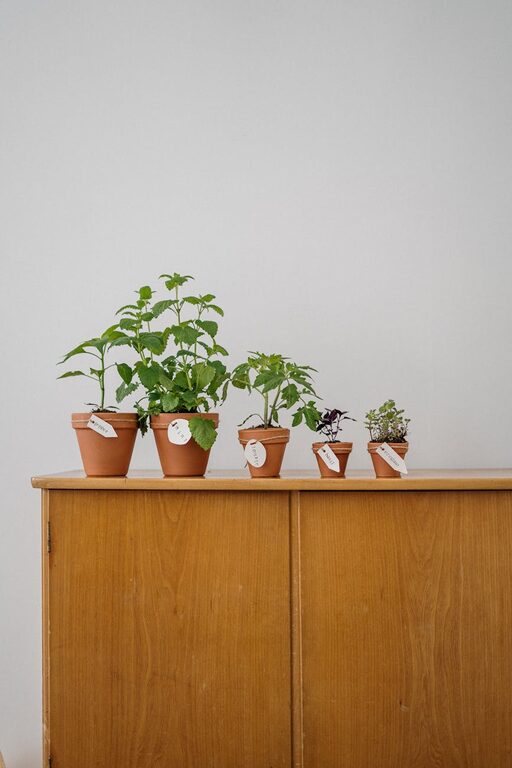
Starting a small herb garden indoors is a rewarding way to bring fresh flavors to your cooking and a touch of greenery to your living space. Whether you have a sunny windowsill or a small corner of your kitchen counter, growing herbs inside is easier than you might think. In this guide, we will walk you through everything you need to know to start your own indoor herb garden successfully.
Why Grow Herbs Indoors?
Growing herbs indoors has several advantages:
– Freshness: Pick herbs whenever you need them, ensuring maximum flavor.
– Convenience: No need for a backyard or large outdoor space.
– Year-round growth: Enjoy herbs all year, regardless of outdoor weather.
– Air quality: Plants help improve indoor air quality.
– Decoration: Herbs add natural beauty and pleasant aromas to your home.
Now, let’s explore how to create your indoor herb garden step by step.
Choosing the Right Herbs for Indoor Growth
Not all herbs thrive in indoor environments, so start with varieties known for being resilient and well-suited to containers. Here are some favorites:
– Basil: Popular for cooking, especially in Italian dishes.
– Mint: Easy to grow but can spread quickly, so pot separately.
– Parsley: Great for garnishes and salads.
– Chives: Small plants with mild onion flavor.
– Thyme: Hardy and fragrant, perfect for many recipes.
– Oregano: Robust flavor and low maintenance.
– Cilantro: Requires slightly cooler temperatures but grows well indoors.
Pick herbs you enjoy cooking with to make your garden practical and enjoyable.
Selecting Containers and Soil
Containers
Choose pots or containers with drainage holes to prevent waterlogging. Common options include:
– Small terracotta pots
– Ceramic planters
– Recycled containers (ensure drainage)
– Specialized indoor herb garden kits with built-in trays
The size depends on the herb, but generally, 4-6 inch pots work well for most small herbs.
Soil
Use high-quality potting soil formulated for indoor plants. Avoid garden soil, which can be too dense and may carry pests. Potting soil with good drainage and aeration will keep roots healthy.
Finding the Best Location and Light
Herbs typically need 6-8 hours of sunlight per day. Here’s how to provide that indoors:
– Window Sill: A south-facing window is ideal for sunlight.
– Grow Lights: If natural light is limited, consider LED grow lights designed for plants.
– Rotate Plants: Turn pots occasionally so all sides receive light evenly.
Make sure the spot is free from drafts and extreme temperatures.
Planting Your Herb Garden
You can start your herb garden from seeds or small starter plants from a nursery.
From Seeds
- Fill containers with moistened potting soil.
- Sprinkle seeds according to the packet instructions.
- Lightly cover with soil.
- Keep soil moist but not soaked.
- Place containers in a warm, sunny spot.
Seeds may take several days to weeks to germinate, depending on the herb.
From Starter Plants
- Check the roots and gently loosen them if pot-bound.
- Plant your herb in the container with fresh potting soil.
- Water thoroughly.
- Place in a bright location.
Starter plants give you a quicker start but may cost more than seeds.
Watering and Maintenance Tips
Proper watering is key to healthy herbs:
– Water when the top inch of soil feels dry.
– Avoid overwatering; soggy soil can cause root rot.
– Use pots with drainage holes to help excess water escape.
Additional tips:
– Pinch or trim herbs regularly to encourage bushier growth.
– Remove yellow or dead leaves to maintain plant health.
– Fertilize lightly every few weeks with a balanced, water-soluble fertilizer.
Harvesting Your Indoor Herbs
Harvest herbs by snipping leaves or stems with clean scissors or fingers.
– Pick leaves from the top to encourage growth.
– Avoid harvesting more than one-third of the plant at once.
– Harvest in the morning for the best flavor.
– Use fresh or dry herbs for later use.
Troubleshooting Common Issues
Indoor herb gardens can face a few common challenges:
– Leggy plants: Caused by insufficient light; add grow lights if needed.
– Yellow leaves: Overwatering or poor drainage.
– Pests: Aphids or spider mites, manageable with insecticidal soap or neem oil.
– Slow growth: Check light, water, and soil quality.
Regular observation helps catch problems early.
Final Thoughts
Starting a small indoor herb garden is a fun and easy way to enhance your cooking and brighten your home. With the right herbs, containers, and care, you’ll be enjoying fresh, aromatic herbs all year long. Whether you’re a seasoned gardener or a beginner, this project provides a satisfying connection to nature right inside your home.
Happy gardening!