
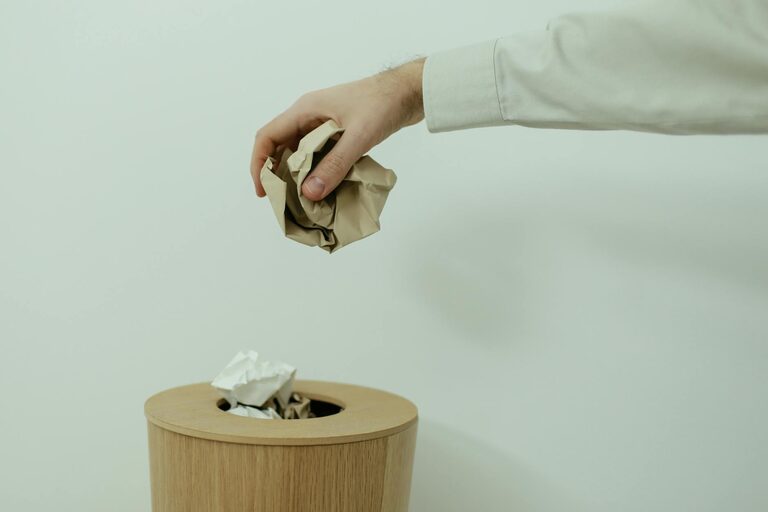
Managing household paper clutter can feel overwhelming, but with a few smart strategies, you can keep your space tidy and your mind clear. Paper documents, bills, mail, and kids’ artwork can pile up quickly, turning your living areas into chaos. The good news is that you don’t have to spend hours sorting through piles or invest in expensive storage solutions. This post will guide you through simple, practical steps to reduce paper clutter and create a more organized home environment.
Why Reducing Paper Clutter Matters
Having too much paper lying around can impact more than just your home’s appearance:
– It increases stress and makes it harder to find important documents.
– It wastes physical space.
– It can cause you to overlook bills or deadlines.
– It adds to household dust and requires more cleaning effort.
By tackling paper clutter, you’ll enjoy a cleaner, more efficient space and save time searching for information.
Step 1: Sort and Purge Regularly
The first step to controlling paper piles is sorting through what you already have.
Create Categories
Divide your papers into clear categories such as:
– Bills and financial statements
– Medical and insurance documents
– Personal and family records
– Receipts and warranties
– Kids’ schoolwork and artwork
– Junk mail and brochures
Decide What to Keep or Toss
– Keep only papers you truly need for reference, taxes, or legal purposes.
– Shred sensitive documents you no longer require.
– Recycle newspapers, catalogs, and flyers immediately.
– Digitize items that have lasting value but are bulky, like old photos or children’s artwork.
Setting a regular schedule — monthly or quarterly — for paper sorting helps keep clutter at bay.
Step 2: Go Digital When Possible
Reducing paper starts with minimizing the amount that comes into the house.
Switch to Paperless Billing
Many companies allow you to receive statements and bills via email or apps. Enroll in paperless billing to reduce incoming mail.
Scan Important Documents
Use a scanner or a smartphone app to digitize:
– Receipts
– Warranties
– Medical records
– Tax documents
Store these files in organized folders on your computer or in cloud storage services like Google Drive or Dropbox.
Use Digital Note-Taking and Lists
Replace sticky notes and paper reminders with digital apps such as Evernote, Google Keep, or your phone’s built-in notes app.
Step 3: Create a Dedicated Paper Management Station
Having a specific spot for incoming papers helps you process mail and documents efficiently.
Setup Tools
– A simple inbox tray or basket
– A shredder nearby
– Filing folders or binders labeled by category
– A recycling bin for junk mail
Process Mail Daily
When you bring in mail, sort it immediately:
– File what you need
– Add bills to your payment list or digital calendar
– Shred junk mail that contains personal info
– Recycle unneeded brochures
This habit prevents piles from forming and keeps important papers visible.
Step 4: Use Filing Systems That Work for You
Once you reduce papers, you’ll need an easy-to-maintain filing system.
Keep It Simple
Avoid complex systems that require too much effort. Use:
– Color-coded folders
– Clear labels
– Flat file organizers or portable file boxes
Only Keep What Matters
Limit your filed papers to documents you must keep for reference or compliance reasons. Store long-term papers in a fireproof box or safe.
Step 5: Manage Children’s Paperwork Creatively
Kids often bring home a lot of papers. Here’s how to reduce and organize:
– Select a few special pieces to keep and digitize the rest.
– Use an “artwork display” area for recent projects.
– Create a rotating gallery wall with clips or frames.
– At the end of each term, review papers and recycle those you no longer want.
Step 6: Maintain Your Progress
Reducing paper clutter is an ongoing process.
– Dedicate 10-15 minutes weekly to sort new papers.
– Review your digital files and back them up.
– Regularly shred outdated or unnecessary documents.
– Remain mindful of new paper coming into your home.
Bonus Tips
– Unsubscribe from physical mailing lists you don’t use.
– Use “opt-out” services to reduce junk mail.
– Encourage family members to sort their own paperwork.
– Keep your scanner or smartphone app easily accessible for quick digitizing.
—
With these straightforward steps, reducing household paper clutter becomes manageable and even enjoyable. A clutter-free home leads to clearer thinking and a lighter atmosphere. Start small, stay consistent, and enjoy your beautifully organized space!